


How AI Helped Us Reimagine an Old Radio and Build a Website Around It
We’re Beavers Brothers — a full-scale design and digital production studio that loves experimenting with ideas.
We create branding, web design, and UX/UI design, as well as app and game development, primarily serving clients in the IT and FinTech industries.
Now and then, we take on internal projects, not for clients, but out of curiosity.
They help us explore how tools like AI can expand creativity and reshape the way we think about design.
When the Past Meets the Future
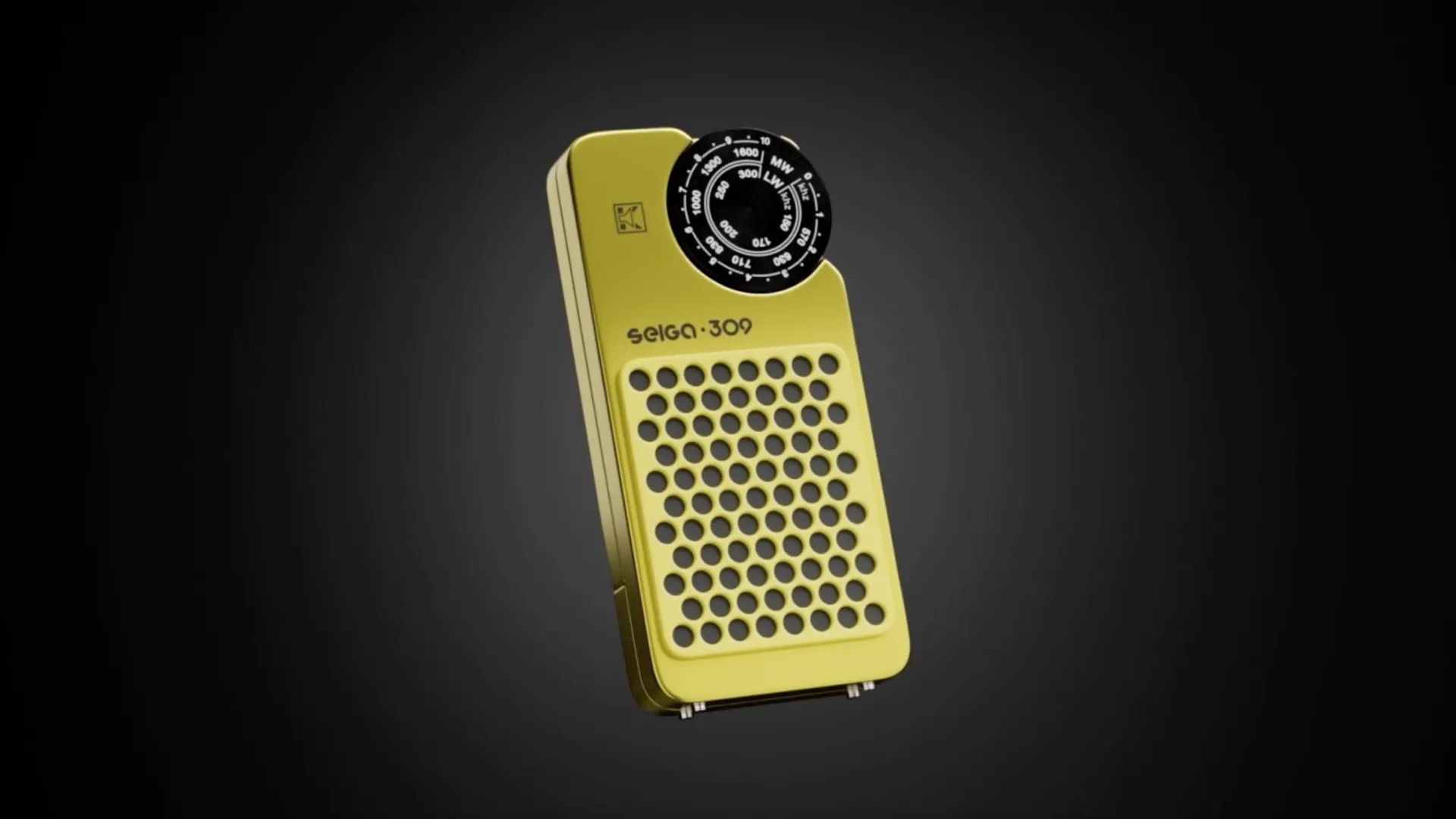
Imagine an old radio, the SELGA-309, produced initially at the Radiotehnika factory in Latvia, with a heavy body and a rough plastic surface, accompanied by the familiar click of a tuner. Once it broadcast news and music. Now, decades later, it inspired us to build a website that merges nostalgia for the 80s with the creative power of artificial intelligence.
We wrapped an old radio in a modern shell, featuring a sleek aluminum casing, refined details, and precise geometry.
We wanted to demonstrate how the past could sound new again through a modern radio design, a short film showcasing its functionality, and a website that immerses you in the spirit of that era.
The project began as an internal experiment, with no client, no deadlines, and no constraints. Just one question: what if AI could help us reimagine something old, not as a replica, but as a living digital story?
From Concept to AI
To bring the idea to life, we utilized AI tools from the earliest stage.
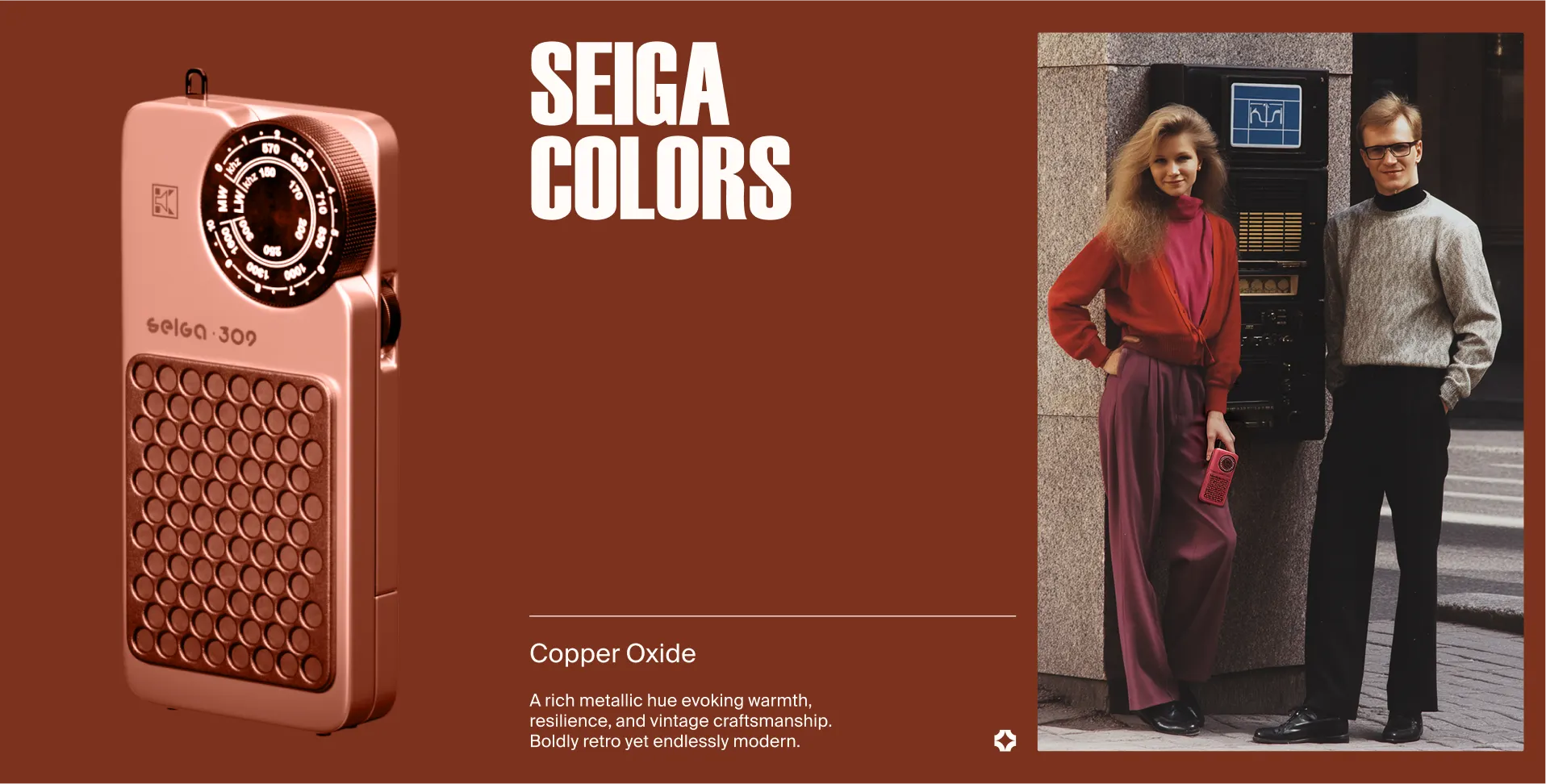
We wanted to create something that felt authentic, as if someone in the 1980s could have imagined this modern version of the radio.
We first built a prototype, which helped us understand where and how AI could amplify our process.
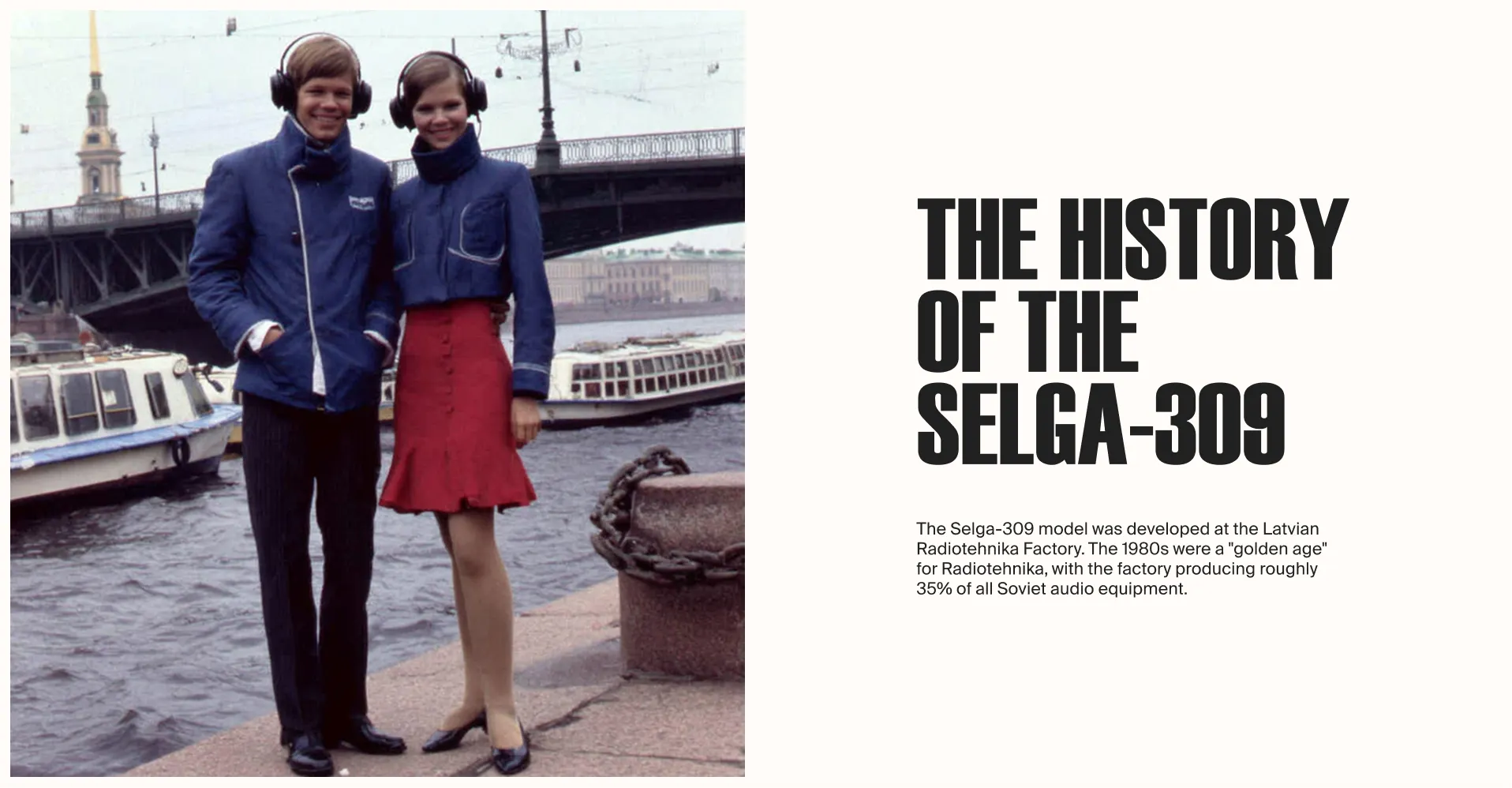
Using Midjourney and ChatGPT, we generated visuals that captured the mood of the 1980s, including the clothing, lighting, color palette, textures, and atmosphere of that era.
It took around 25–30 hours and several days of trial and error to build a coherent base of visuals. The main challenge was consistency, ensuring that all images appeared as part of a cohesive visual story, rather than random scenes.
It took 4–5 full iterations of image generation to reach the balance between retro aesthetics and realism.AI often drifted away, adding random details or reshaping proportions. But through multiple cycles, we captured the right tone and atmosphere.
When AI Fails, Photoshop Saves
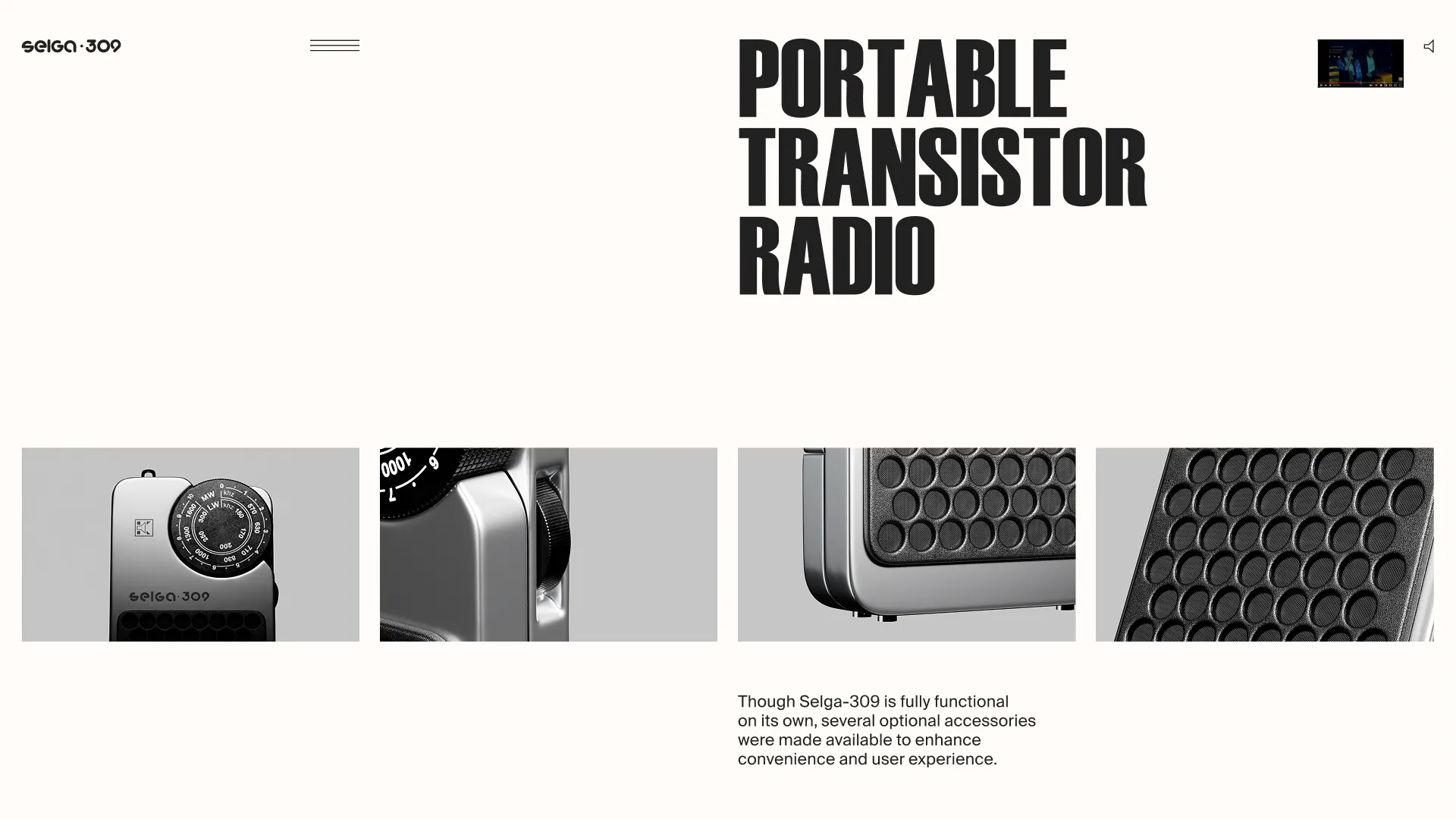
Even the best neural networks make mistakes.The radio often came out distorted, as if it were a hybrid of different devices or some futuristic prototype that never existed.
In the final visuals, we manually inserted the real radio in Photoshop to maintain proportions and technical accuracy.AI became a creative partner, not a replacement, speeding up ideation while giving the designer room to fine-tune every detail.
From Static Frames to Motion
Once the images were ready, we decided to animate them.
Using the Freepik site with Sora 2 and Runway models, we brought still frames to life, creating short AI-generated videos for the site.
Of course, there were some funny moments; sometimes the radio in a person’s hands turned into an iPhone.
In some cases, AI nailed it on the first or second try; in others, it took up to five rewritten prompts to get the correct result.
Each video took 5–10 minutes to generate, which is incredibly fast compared to traditional 3D animation.
The result: the visuals started to breathe — they gained rhythm, motion, and emotion.
What AI Really Gave Us
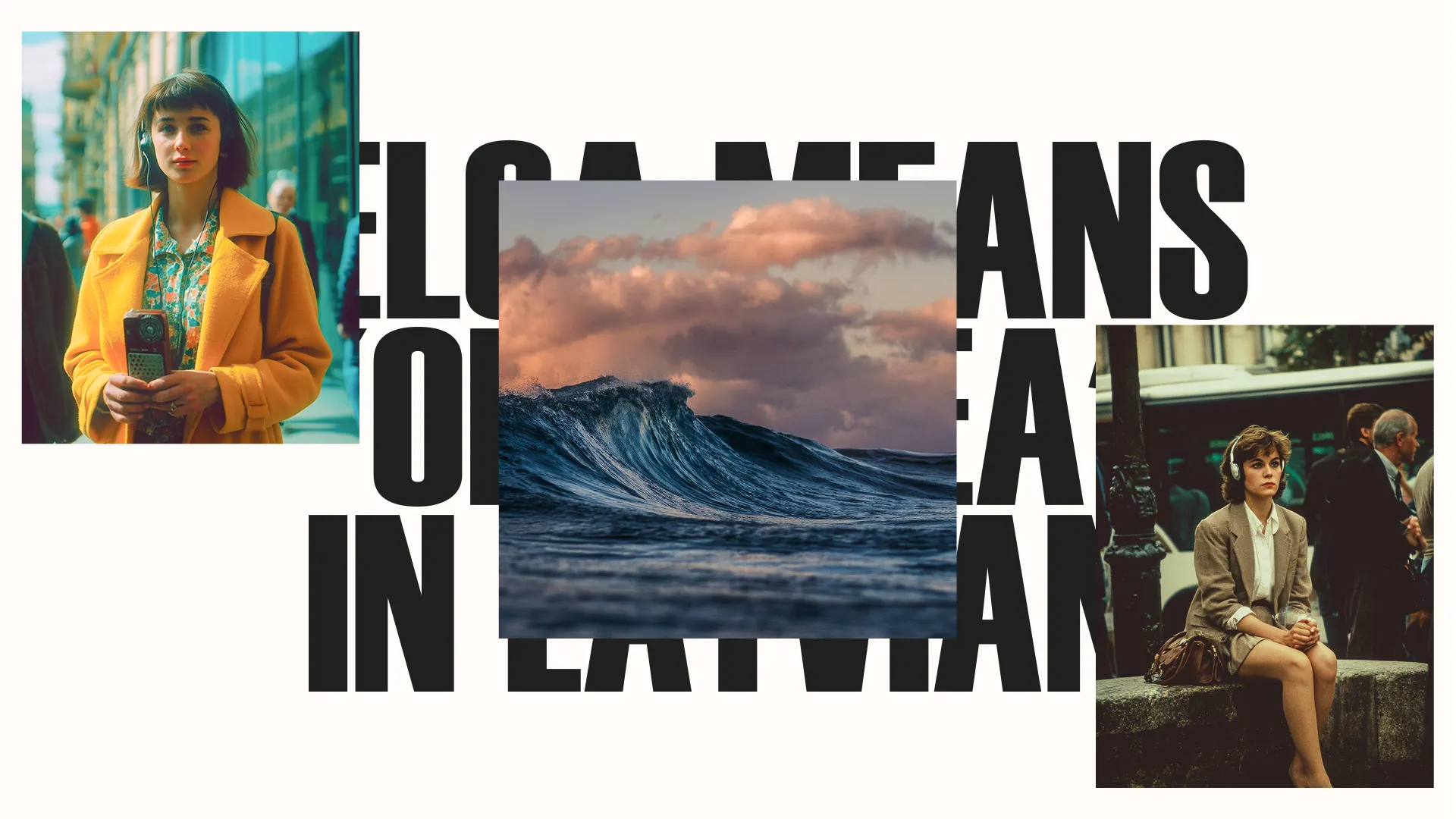
This project proved that AI isn’t just a tool for speed, it’s a creative partner that helps you think differently:
- Visualize concepts and moods in hours, not days;
- Shorten the path from idea to execution.
- Build visuals that don’t exist anywhere else.
- Focus on meaning and storytelling instead of routine.
- Embrace randomness; sometimes the best ideas come from AI’s “mistakes.”
Final Thoughts
This wasn’t just a website.
It was a story about how the past and the future can coexist in one design.
We took a physical object from another era and gave it a new life in a digital form, showing that technology doesn’t erase history; it helps us reinterpret it.
AI tools enable designers to become directors of their own worlds, where every pixel carries emotion, and every unexpected output becomes an opportunity to create something new.
LinkedIn profile: https://www.linkedin.com/company/beaversbrothers/
Instagram: https://www.instagram.com/beaversbrothers?igsh=eWUzNjc0M3ZqZG9t
X: https://x.com/beaversbrothers?s=21&t=hke-7_yRlPGgmw_ebsreWQ