


Inclusivity, Gender, Ageism, and Multiculturalism in Design
At BeaversBrothers, we don’t shy away from tough questions. That’s why we gathered representatives from the design community for our 9th meetup in Belgrade, Serbia to tackle several challenging topics head-on: inclusivity and gender in design, ageism and multiculturalism in creative teams. The following speakers joined us:
- Olya Mikhailenko, Design Director at Clay Agency, and Alexandra Mikhailenko, Head of Art for the shooter game Farcana.
- Ksenia Chaplygina, Founder and CEO at CortexGame.
- Dasha Prokuda, CDO at the Brazilian “uber”, Rhino.
- And Ira Evdokimova, founder of the media FemTech Force.
Building a Product Everyone Loves

In 2K25, inclusive product design would be a given. However, Ira Evdokimova recently highlighted that this isn’t always the case, particularly within the femcare industry. A striking example: it wasn’t until two years ago that companies began testing feminine hygiene products with real blood instead of water. This reveals a concerning trend — countless products have been developed for decades without incorporating real-world user experience.
Why does this gap exist? The industrial design world is still a boys’ club, with women making up less than 20% of the workforce. This lack of diversity creates “blind spots,” leading to products failing to address female users’ needs adequately. A classic example is the conventional design of public restrooms, which often fosters a sense of insecurity due to their enclosed layout and limited visibility.
Fortunately, innovative solutions are emerging. Japan, for instance, is pioneering the concept of transparent public restrooms. These designs allow users to assess the space’s safety before entering and then activate a privacy feature to obscure the glass from within.
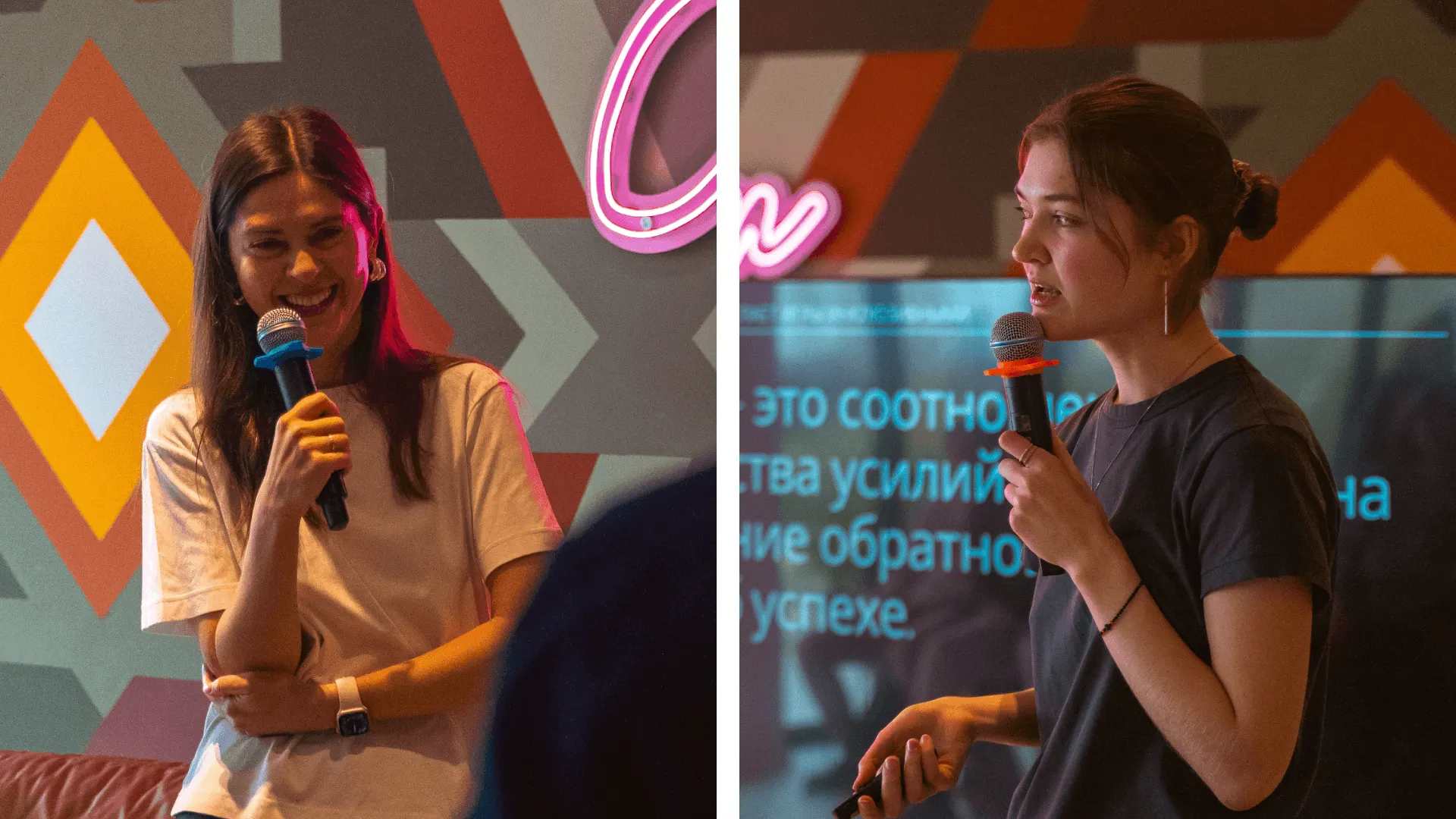
So, how do we build products that genuinely cater to diverse needs? Olya Mikhailenko and Alexandra Mikhailenko shared valuable insights from their experience.
First, it’s crucial to understand that inclusivity lies at the intersection of various user needs. To create a genuinely inclusive product, several key aspects need to be considered:
1. Accessibility
- Can people with disabilities easily navigate and use your website or app?
- Is the interface clear and understandable for older users?
- How quickly can users, regardless of their abilities, access and utilize all the features of your product?
These are all questions about accessibility. The interface should be intuitive and user-friendly, with additional features to assist individuals with visual impairments or motor limitations.
2. Representation
- Your visuals and language should reflect the diversity of your audience.
- Use imagery your audience can easily connect with and see themselves in: people with similar skin tones, ages, genders, occupations, and in relevant locations and situations.
However, it’s important to avoid stereotypes and clichés. By carefully considering context and details, strive to balance unique representation and relatable imagery.

Building an Inclusive Product: A Practical Guide
- Define Your Focus: Identify your target audience and conduct thorough research to understand the diverse groups of users who will interact with your product.
- Establish Content Guidelines: Ensure your visuals, text, and tone of voice resonate with your audience. For example, if your target audience is middle-aged IT professionals, use authentic images of people in that age group rather than generic stock photos of young hipsters.
- Conduct Regular Reviews: Evaluate how well your product aligns with your target audience. Involve representatives from your target demographic in the testing process to gather valuable feedback.
- Develop a Checklist: Create a list of criteria to assess your design before launch. Include specific points related to accessibility and representation to ensure you’re meeting the needs of diverse users.
At BeaversBrothers, we pride ourselves on our expertise in creating targeted, impactful projects that advance gender equality. Explore our track record in developing an inspiring landing page for young women in STEM for Schneider Electric’s HR campaign, and the website for the Beglobe Women Executives in IT Award.
Making Multi-Generational and Cross-Cultural Teams Click
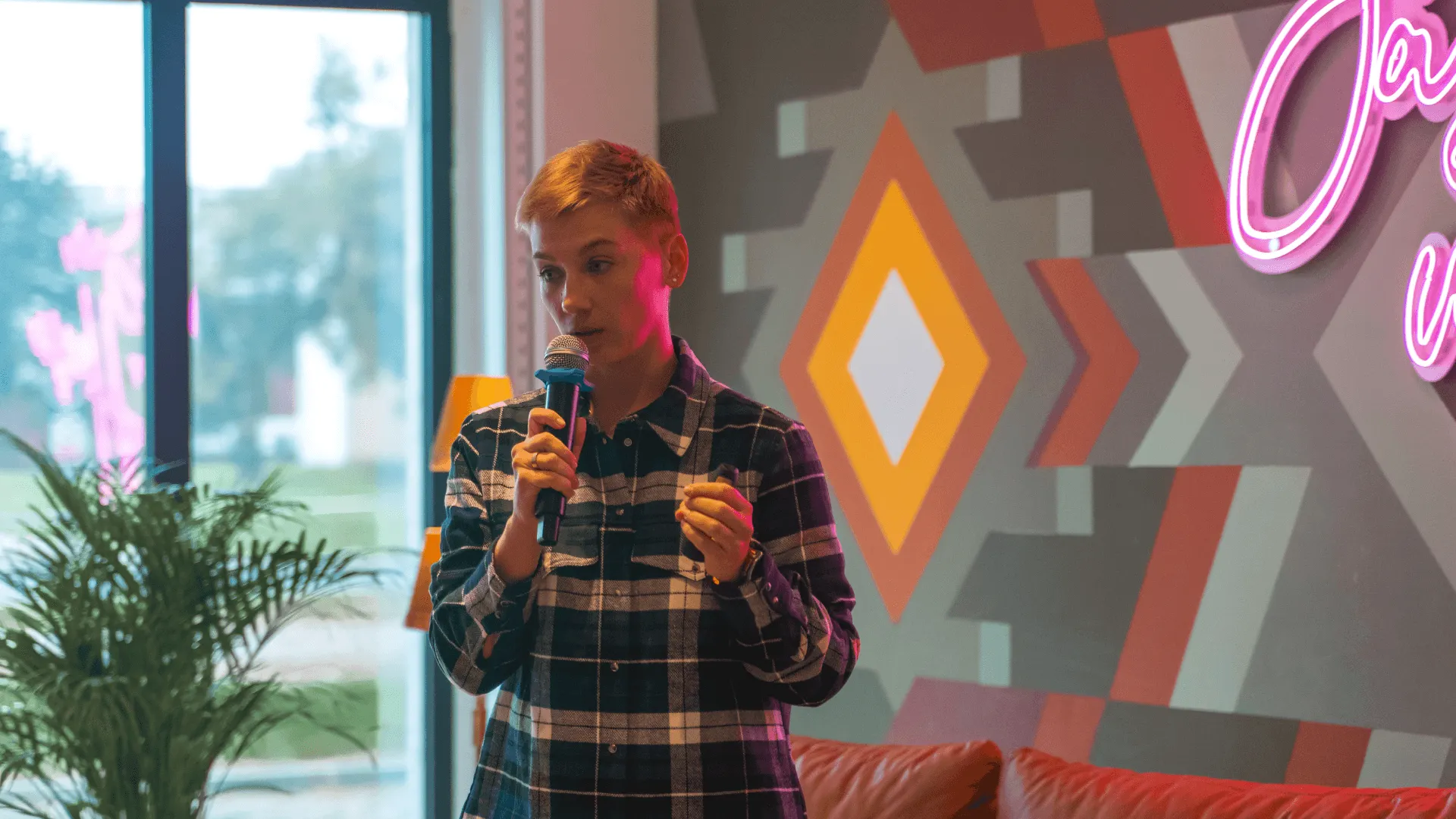
We also addressed another pressing issue with Dasha Prokuda and Ksenia Chaplygina. They provided valuable guidance on how to avoid misunderstandings and build effective, harmonious teams.
1. Cultural Differences: When ‘Dasha’ Is Not ‘Darya’
Dasha Prokuda reminded us that even fundamental elements, like names, can be perceived differently across cultures. What seems obvious to us can be entirely ambiguous to colleagues from another country.
What can we do?
- Ask clarifying questions: Don’t hesitate to ask for clarification if something is unclear.
- Communicate verbally: Live conversations, with their inherent intonation and nonverbal cues, facilitate easier comprehension of emotions and nuances than written communication.
- Consider the role of context: Some cultures favor direct communication (e.g., the Netherlands), while others prefer indirect expressions and allusions (as is common in the UK). In China, leadership might make decisions singularly, and criticism of that leadership during discussion is unwelcome. This is unlike in many parts of Europe, where multiple people participate in decision-making.
- Establish unified communication protocols: Designate a common language for work, documentation, and team interactions.
- Cultivate a shared understanding: Employing humor, memes, and informal communication can help build a cohesive context for interaction.

2. Age Diversity: Where Experience Meets Enthusiasm
Ksenia Chaplygina debunked myths about ageism and emphasized how employees of different ages can effectively complement each other. Each generation brings unique strengths, experience, extensive networking from older employees, and flexibility and energy from younger ones.
What to do:
- Foster Communication: Create opportunities for informal interaction among employees of different age groups.
- Acknowledge Varied Motivations: Understand the driving forces behind different generations and cultivate an environment where they can realize their potential.
- Establish a Culture of Mutual Respect: Ensure every team member feels valued and respected, regardless of age.
We hope this article has provided you with valuable insights, and that our tips will empower you in your work. Feel free to reach out if you’re eager to learn more.