


Product Design as a Source of Ideas for the Gaming Industry, and Vice Versa
Sergei Ternovykh, Design Director at Hero Wars: Alliance, Nexters’ flagship game, shared his insights at The Grill festival in Belgrade on what product designers can learn from game development, and vice versa.
Sergei’s experience is unique: he grew from a junior designer at Yandex to CPO of an AI startup. Then he moved into game development to create experiences for millions of players. His perspective is especially valuable because it bridges two worlds: products and games.
We’ve gathered the key takeaways from his talk, which will be interesting for both designers and entrepreneurs.
Let’s start with which practices from the product world are particularly valuable for the gaming industry.
UX Research: From Catching Up in Game Development to Leading the Way

Paradox: Game development is rich in emotions but poor in UX research. When Sergei joined Nexters, there were only 1–2 playtests per month. Today, the team conducts up to 50 studies over six months: in-depth interviews, diary studies, and in-game surveys.
👉 Life hack: Test your prototypes in Figma first. It’s cheaper, faster, and lets you reduce risks before any code goes into production.
UX vs UI: Thinking Beyond the Visuals

In game development, designers often come from UI art backgrounds. That’s why in test assignments — like conducting a UX audit of the first 30 minutes of a game — they focus on font colors or icon sizes, but rarely on the player’s journey.
In product teams, by contrast, there’s a strong habit of thinking in terms of the User Journey and Jobs-to-be-Done.
👉 Life hack: If you’re a designer in game development, practice “product thinking”: consider what the user feels, the steps they take, and where they might get stuck.
Now let’s look at the ideas that product teams can borrow from game development.
Gacha Mechanics: Emotions Instead of Features
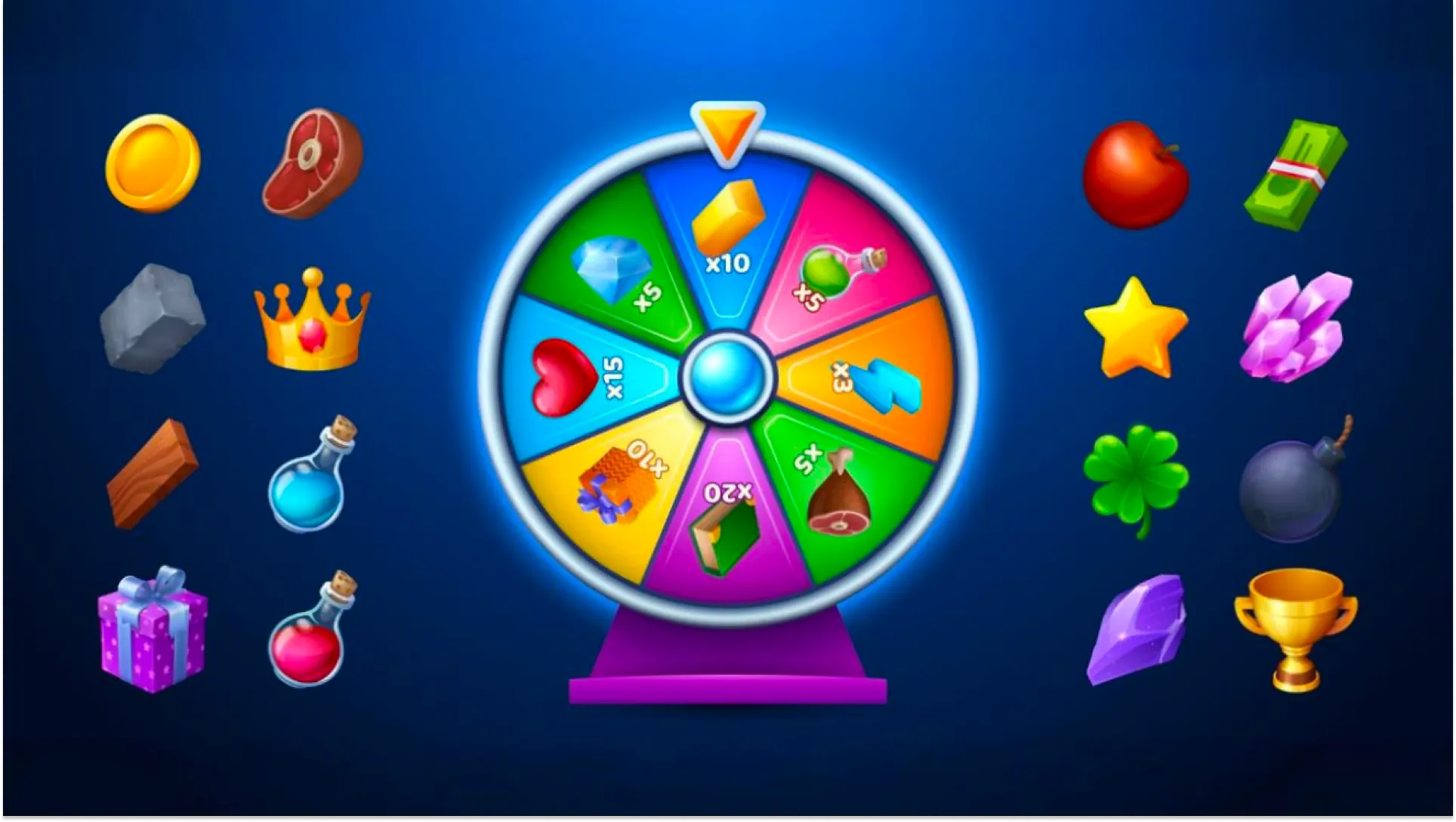
In games, the mechanic of unexpected rewards has become a standard. Counter-Strike is a vivid example: opening cases gives players excitement and thrill, since the prize could be a useless skin or a rare butterfly knife worth $1,000.
In product services, this is rarely used. An exception is TEMU, where users spin a “wheel of fortune” upon entering and can win a discount or free shipping.
👉 Life hack: Add an element of surprise to your product. This could be a bonus surprise in e-commerce, random cashback in fintech, or a mini-game in a delivery app.
LiveOps: Regularity Instead of Static Experiences

In game development, LiveOps is the key to retaining players. Every event, tournament, or new hero in Hero Wars: Alliance instantly boosts engagement and brings players back into the game.
In product services, interfaces often remain unchanged for months. ChatGPT, for example, remains unchanged until a new model is released.
👉 Life hack: Bring “eventfulness” into products. This could be monthly challenges in a fitness app, themed collections in e-commerce, or seasonal interface updates.
Community: Living Networks Instead of Anonymous Users
Hero Wars has over 1 million subscribers on YouTube, tens of thousands in Telegram, and active communities on Discord and Facebook. Players don’t just leave reviews — they take part in development: testing prototypes, giving honest feedback, and spreading the word about new features through influencers in their guilds.
In product companies, audience work is often limited to feedback forms.
👉 Life hack: Turn users into partners. Create private chats with your most active customers, test new interfaces with them, and discuss ideas directly.
Conclusion
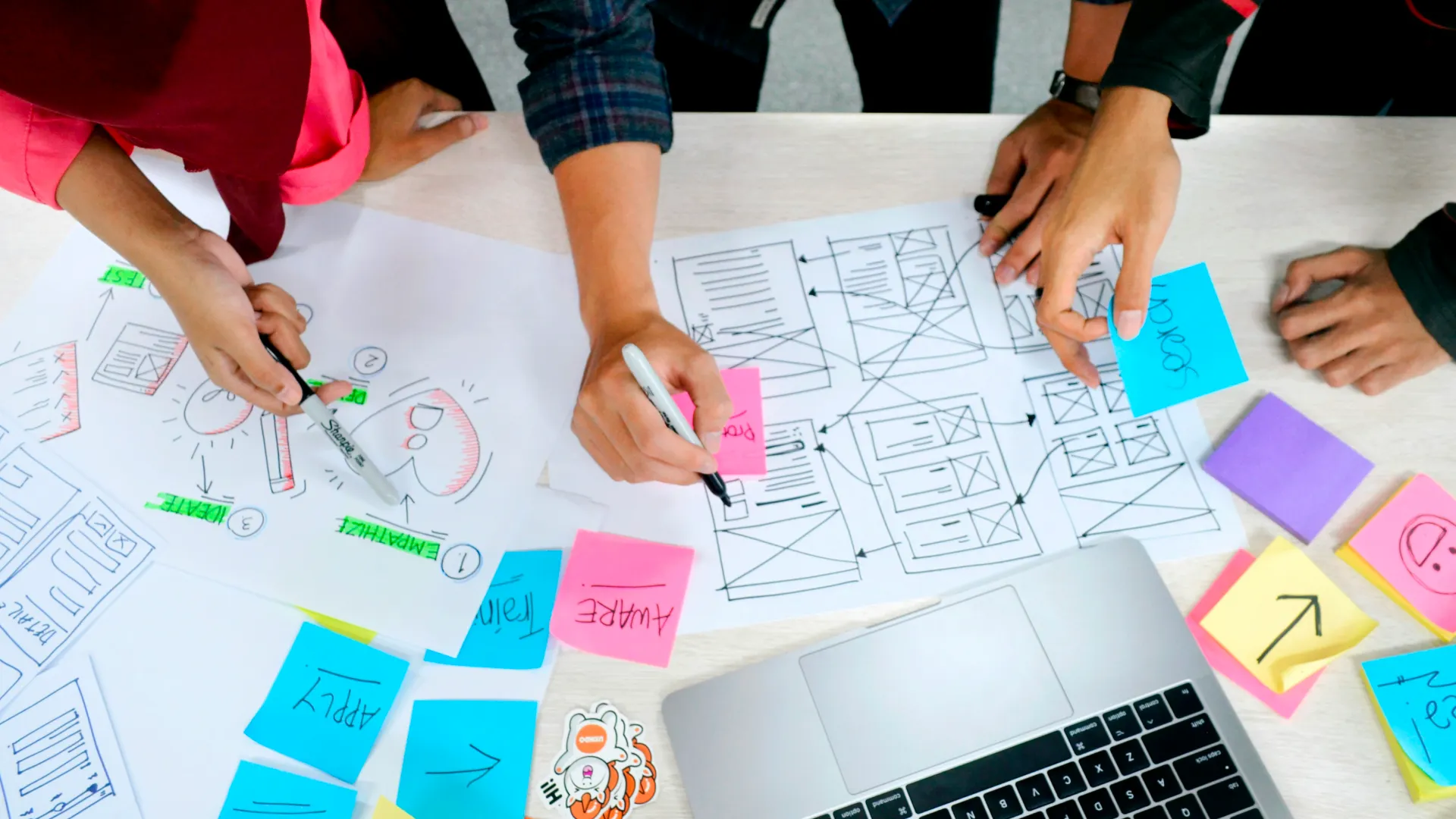
The story of Sergei Ternovykh demonstrates that the strongest ideas often emerge at the intersection of different worlds. The gaming industry excels at creating emotions and engagement, while product design focuses on usability and solving problems. But the main lesson is not to “copy” techniques from one another — it’s to look broader.
New solutions emerge when a designer or entrepreneur steps beyond their usual profession and starts seeking inspiration in other fields, such as game development, cinema, music, architecture, and ecology.
👉 True growth begins when we stop thinking only within the boundaries of our own industry and start borrowing the best practices from our neighbors.